



DIC is a serious condition that produces thrombosis and bleeding at th same time.Read more..
DIC
May 24, 2009
PAN-RESISTANT Gram Negative Bugs!
Here is a helpful review of resistance patterns, focusing on the European experience. Again colistin and tigecycline are discussed as the only alternatives for the most resistant isolates
GOUT- AN OLD DISEASE
April 13, 2009
Gout is being treated by GPs and hospital based doctors. It is still common to find this disease is not properly treated. Read more..
Long QT syndrome
Check out this cool presentation on SlideShare:
Title: "Congenital Long QT Syndrome"
Link: http://www.slideshare.net/medicineandman/congenital-long-qt-syndrome
Risk factors for Severe CDAD
Regression modeling showed the following to be significantly associated with severe CDAD (p≤0.05): age >70 years (odds ratio [OR] 3.35), maximum leukocyte count >20,000 cells/mL (OR 2.77), minimum albumin level <2.5 g/dL (OR 3.44), maximum creatinine level >2 mg/dL (OR 2.47), small bowel obstruction or ileus (OR 3.06), and computed tomography scan showing colorectal inflammation (OR 13.54)
Hepato Pulmonary Syndrome
February 23, 2009
Current Concepts in the diagnosis and treatment of hepato pulmonary syndrome is reviewed in this article..
Drug Induced thrombocytopenia
Drug induced Thrombocytopenia is seen in acute setting and becomes an issue when patient is on lots of medications. Pead this excellent review article..
Yellow Nail Syndrome
February 15, 2009
From a Case series in Chest.
Yellow nail syndrome (YNS) is a rare disorder first described in 1964 by Samman and White, consisting of yellow nails with lymphedema and/or chronic respiratory manifestations. The respiratory manifestations are diverse and include pleural effusion, bronchiectasis, rhinosinusitis, chronic cough, or recurrent lung infections. The pathophysiology of the syndrome remains unclear, but various anatomic or functional lymphatic drainage abnormalities have been proposed as the underlying cause.
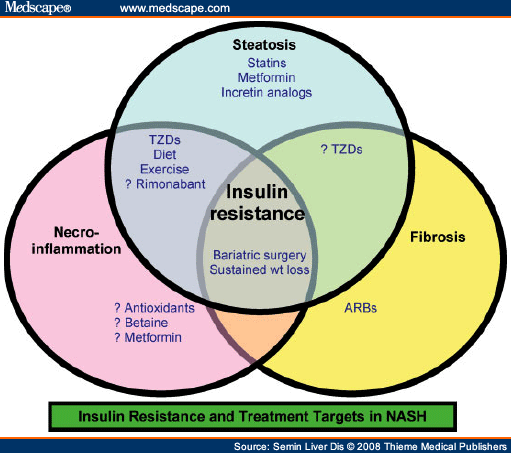
NAFLD and Emerging Therapies
This review focuses on current and potential future therapies for NASH.
Presurgical CV Risk Reductionn
A patient’s preoperative cardiovascular assessment should do more than determine
whether a patient is cleared for surgery.Ideally, it also should take measures to reduce a patient’s surgical risk. A major focus is to resolve cardiovascular
disease and cut the patient’s risk for a perioperative or postoperative myocardial infarction. Read This Article..

Beware of QT Prolonging Drugs
From a AHA presentation
Nearly 40% of a large series of patients with a known preexisting long QT interval received an order for a QT-prolonging medication while hospitalized, thereby increasing their risk for sudden cardiac death.
Further, at-risk patients rarely underwent monitoring for further widening of the QT interval. Indeed, 8% had an ECG within 48 hours after starting the new QT-prolonging medication, Dr. Ravi K. Mareedu reported ...
Antiarrhythmic agents accounted for more than half of all prescriptions for QT prolonging medications, with amiodarone leading the way. Another 30% were for haloperidol. There were 115 orders for erythromycin and other QT-prolonging antimicrobials, 82 for methadone, and 97 orders for chlorpromazine and other antinausea drugs
Finger prick Lactate
It’s widely accepted that sepsis treatment should be regarded with the same urgency as trauma or acute STEMI. However early recognition of sepsis is notoriously poor. Is there a solution? How about a fingerstick lactate in the triage area? Better yet, in the ambulance? Here’s a study examining the issue. This is a latest study from critical care..
Thrombotic Events in SLE
Predicting thrombo-embolic events with certainty is most difficult. Especially in patients with SLE. Read this review article in medscape..
Acute interstitial Nephritis and Steroid Therapy
Acute interstitial nephritis (AIN) is a drug induced renal failure.The culprit was usually an antibiotic:
Antibiotic in 34 cases
Cephalosporin in 15 cases
Quinolone in 12 cases
Penicillin in 7 cases
NSAID in 23 cases
Allopurinol in 1 case
Ranitidine in 1 case
Omeprazole in 1 case
Pimozide in 1 case
Only 8 patients (13%) had the classic triad of fever, rash and eosinophilia
Patients classically have fever, rash and eosinophilia. Read the original article here..
Loin pain Hematuria Syndrome
Loin pain Hematuria Syndrome is an interesting group of disorders that we should know about. Read more..
Allergic rhinitis - Newer Drugs
February 7, 2009
Read more on choosing between antihisatamines and antiLeukotrene receptor antagonist..
What's going on with diabetes
January 23, 2009
VADT is yet another negative trial showing a lack of benefit from controlling blood sugars.
That makes three negative trials in the last 12 months.
ADVANCE trial: 11,140 people randomized to gliclazide in order to lower the A1c to 6.5, the control group achieved 7.3%. This lowered combined micro- and macrovascular complications by 10% 18.1% vs 20% after a median of 5 yrs (p=0.01). However the difference was entirely driven by a 21% reduction in nephropathy, with no reduction in retinopathy, macrovascular complications or reduction in CV death or death from any cause.
ACCORD Trial: 10,251 people randomized to usual care (A1c 7.0-7.9) or intensive care (A1c under 6%). There was no difference in the primary composite outcome of non-fatal heart attack and strokes and CV mortality. Unfortunately there was a significant increase in total mortality (p=0.04) with high mortality in the intensive therapy group.
All three of these trials were looking to prove that better glycemic control could reduce strokes and heart attacks. We have known since the early nineties that good glycemic control prevents or delays microvascualr complications (kidney disease, blindness, neuropathy) but the data on cardiovascular disease was lacking. This is important because relatively few diabetics develop ESRD and most patients die of heart disease, a macrovascular complication. For example in type 1 diabetics the 20 year risk of developing ESRD is only 2.2%, while the risk of death is four times that at around 10%.
Unfortunately, this looks like a bust. Not one of the trials have shown any sign that improved glycemic control translates into reduced heart attacks or strokes
Non Visible Hematuria
Many clinicians are not sure what constitutes clinically relevant haematuria; they are also unsure about when patients with haematuria should be referred for
specialist assessment and whether they should be referred to a urologist, nephrologist, or both.This review article deals with this nicely..
MRC Dyspnoea Score
Dyspnoea should be assessed with a validated instrument such as the MRC (Medical Research Council) dyspnoea score. This defines five grades of breathlessness related to normal activities and patients are asked to select the level that best describes how breathlessness affects them. The five levels are:
1 Not troubled by breathlessness except on strenuous exercise
2 Short of breath when hurrying or walking up a slight hill
3 Walks slower than contemporaries on level ground because of breathlessness, or has to stop for breath when walking at own pace
4 Stops for breath after walking about 100 metres or after a few minutes on level ground
5 Too breathless to leave the house, or breathless when dressing or undressing.
Bisphosphonate nephrotoxicity
Bisphoaphonates are used to treat PMO and nephrotoxicity is a concern. Read this abstract..
Initial drugs for Moderate Hypertension
January 18, 2009
Initial combination therapy with a renin-angiotensin system (RAS) inhibitor and diuretic has the potential to rapidly and effectively reduce BP across a range of baseline BPs, with a comparable adverse event profile to monotherapy.Read this review..
RAS inhibitor/CCB combination therapy
The combination of RAS inhibitors with DHP-CCBs may provide more intensive BP control to currently recommended targets and cardiovascular protective effects that lead to more global risk-factor reduction in patients with hypertension. Given their excellent and complementary tolerability profiles, combination therapy with an ARB or ACEI with a long-acting DHP-CCB is a rational choice for patients requiring two or more antihypertensive agents.Read the review article here..
Oxygen A-a gradient
This is commonly asked question in ward rounds and all juniors need to know this..Read now..
MRSA infected Stethescopes
Doctors Please Clean your Steths. In this Emergency setting, MRSA was found on approximately one in three stethoscopes of emergency professionals. A longer length of time since the last stethoscope cleaning increased the odds of MRSA colonization.Read more...
Bisphosphonates and Osteonecrosis of Jaw
January 8, 2009
This has become a serious concern for dentist.. The association is real, but it was overhyped. Read more..
ITP - Not always Idiopathic
When clinical conditions warrant consider these underlying diseases:
SLE
Antipholpholipid syndrome
H. pylori infection---here the association is controversial, but some studies indicate a high rate of improvement or remission of thrombocytopenia following eradication.
Hepatitis C---screen all patients with chronic thrombocytopenia for hep C. Thrombocytopenia may improve with treatment of the underlying disease.
HIV
From Current Opinion in Hematology
So testing for H Pylori is warranted in ITP Read more..
Alien Hand Syndrome
Alien hand syndrome is a rare condition that can result from neurodegenerative disorders, tumors, or strokes. This is an acute presentation of alien hand syndrome from a right parietal ischemic stroke. The condition was not recognized by the emergency department, delaying diagnosis and appropriate treatment. Early recognition of unusual manifestations of stroke, such as an acute alien hand syndrome, can lead to timely diagnosis and therapy. Read this interesting case report..
Exercise Capacity on Treadmill and CV events
Reduced exercise capacity is associated with an increased risk of myocardial infarction, unstable angina, and coronary revascularization in patients referred for exercise treadmill testing for clinical indications. The prognostic importance of reduced exercise capacity for nonfatal coronary events is independent of demographic factors, clinical factors, and other exercise treadmill testing measures. Reduced exercise capacity may identify patients in whom aggressive risk-factor modification, further diagnostic testing, and close follow-up is warranted. Read the article..
Infective Endocarditis- Surgical Treatment
January 7, 2009
Infection of native and prosthetic valves is still commonly seen and some cases require surgical management. This article concisely deals with this subject.. Read here..
Hyperglycemia management updated-2009
January 6, 2009
The statement, produced jointly by the American Diabetes Association (ADA) and the European Association for the Study of Diabetes (EASD), recommends that if target glycemic goals are not met with initial lifestyle interventions and metformin, rapid transition to new regimens should be initiated.Read this PDF article..
Cheese and Hypertensive Crisis
Hypertensive crisis and cheese has been linked to Monoamine Oxidase Inhibitors use.Read now..
Dual Anti Platelet Therapy
Dual anti platelet therapy in Cardiovascular diseases in frequently used sometime with no definite evidence. Also duration of such combination therapy is arguable..Read this article in PDF format..
Once A Day CV drugs
once daily medications have become norm of the lady and it is always becomes a problem when patients asks you when to take a particular once a drug. This article talks about once a day dosing of Cardiovascular drugs..Read more..
Health care Associated Pneumonia
This outcome study published this year looks at heath care associated pneumonia and its increased mortality. Read more..
Nail Disorders - Drug Induced
January 1, 2009
Nail disorders are common in primary care and it is important for us to know the culprit drugs. Read more this article..
Skin signs in DM
December 16, 2008
Patients with type 2 diabetes more often develop skin infections, whereas those with type 1 more often have autoimmune-related lesions.Read more..
Influenza- update
The Cleveland Clinic Journal of Medicine has a very helpful update in its December issue. Read more..
Arthritis
Most Common Causes Of Arthritis In Small Joints Of The Hand
1. Rheumatoid arthritis (affects PIP, MCP, wrist — spares DIP and 1st MCP).
2. SLE (Jaccoud’s arthropathy: reducible, non-erosive joint deformities with a preservation of hand function).
3. Osteoarthritis (Bouchard and Herberden nodules on PIP and DIP respectively).
4. Gout (esp. chronic gouty polyarthritis).
5. Psoriatic arthritis (affects DIP and other joints of the hand).
6. Septic
7. Traumatic
Colonoscopy and Cancer Mortality.
Colonoscopy is the “gold standard” for evaluation of the colon. Now, a new study published in Annals of Internal Medicine finds colonoscopy may not be as effective as previously believed. Read this editorial.. The Original article can be read here..
ACCOMPLISH- another Hypertension trial
Still we are not sure what is the best combination treatment for hypertension. This study looked at ACE plus Ca blocker versus ACE plus Diuretic and looked at cardiovascluar end points. You can be sure which was better. after 36 months ARR was only 2.2% Read yourself..
PCOS - Newer therapies
Treatment of PCOS has moved on from clomid in the eighties to metformin. Newer drugs like Glitazones have been tried. Combination of Metformin with Exanetide is an interesting option that has been reported recently..Read more
WPW
December 12, 2008
An ECG of a 59-year-old woman with known Wolff-Parkinson-White (WPW) syndrome is shown below. The delta (Δ) waves are small, but definite. This patient, like many patients with WPW syndrome, often does not have them at all times. The PR intervals are not short (ie, <120 ms), usually one of the diagnostic features of WPW. However, the Δ wave is the key feature and the PR interval here suggests a delay in the normal A-V conduction, sometimes called “sick Kent syndrome.” The WPW QRS is a fusion beat between the accessory pathway and the normal A-V pathway.
Movement disorders Emergencies
December 2, 2008
Movement disorder emergencies in the elderly—such as rigidity, dystonia, hyperkinetic movements, and psychiatric disturbances—are challenging to manage. Many cases are iatrogenic. In theory, some cases could be avoided by anticipating them and by avoiding polypharmacy and potentially dangerous drug interactions.Read more..
Black Hairy Tongue
Black hairy tongue, also known as lingua villosa nigra, is a painless, benign disorder caused by defective desquamation and reactive hypertrophy of the filiform papillae of the tongue. The hairy appearance is due to elongation of keratinized filiform papillae, which may have different colors, varying from white to yellowish brown to black depending on extrinsic factors (eg, tobacco, coffee, tea, food) and intrinsic factors (ie, chromogenic organisms in normal flora).


Primary Biliary Cirrhosis- Review
Primary biliary cirrhosis (PBC) is a chronic and slowly progressive cholestatic liver disease of autoimmune etiology characterized by injury of the intrahepatic bile ducts that may eventually lead to liver failure. Affected individuals are usually in their fifth to seventh decades of life at time of diagnosis, and 90% are women.readmore>..
MTX in RA
November 30, 2008
"Ten recommendations for the use of MTX in daily clinical practice focussed on RA were developed, which are evidence-based and supported by a large panel of rheumatologists, enhancing their validity and practical use.
- For patients starting MTX therapy, work-up should include clinical evaluation of risk factors for MTX toxicity, including alcohol intake; patient education; levels of aspartate aminotransferase (AST), alanine aminotransferase (ALT), albumin, complete blood count (CBC), creatinine; and chest radiographic examination obtained within the previous year. Serology for HIV, hepatitis B and hepatitis C, blood fasting glucose levels, lipid profile, and pregnancy test should also be considered.
- Oral MTX should be initiated at 10 to 15 mg/week. Depending on clinical response and tolerability, the dose should be escalated by 5 mg every 2 to 4 weeks up to 20 to 30 mg/week. For patients with inadequate clinical response or intolerance, parenteral administration should be considered.
- Prescription of at least 5 mg/week of folic acid given with MTX treatment is strongly recommended.
- When MTX is started or the dose is increased, ALT levels with or without AST, creatinine, and CBC should be checked every 1 to 1.5 months until a stable dose is reached, and every 1 to 3 months thereafter. At each visit, clinical evaluation should determine adverse effects and risk factors.
- If there is a confirmed increase in ALT/AST levels at more than 3 times the upper limit of normal (ULN), MTX should be stopped. After normalization, MTX may be reinstituted at a lower dose. If the ALT/AST levels are persistently elevated up to 3 times the ULN, the MTX dose should be adjusted. If ALT/AST levels are persistently elevated more than 3 times the ULN after discontinuation of MTX, diagnostic procedures should be considered.
- MTX is appropriate for long-term use because of its acceptable safety profile.
- In DMARD-naive patients, the balance of efficacy or toxicity favors MTX monotherapy vs combination with other conventional DMARDs. When MTX monotherapy does not control the disease, MTX should be considered as the foundation for combination therapy.
- MTX is a steroid-sparing agent that is recommended in giant-cell arteritis and polymyalgia rheumatica. It may also be considered for treatment of patients with systemic lupus erythematosus or (juvenile) dermatomyositis.
- In patients with RA who are undergoing elective orthopaedic surgery, MTX can be safely continued in the perioperative period.
- For at least 3 months before planned pregnancy, MTX should not be used for both men and women. MTX should not be used during pregnancy or breast-feeding.
Hypertension , stroke and AF
November 29, 2008
Hypertension that is poorly controlled will lead on to LVH and then to LV diastolic Dysfunction. LV dysfunction is a predictor of development of AF. Read more..
Thiazides and Diabetes
Thiazides use in treating hypertension is on the increase. Dibetogenic potential of thiqazides is well known over 25 years. Read this article that discuses the recent changes in guidelines. Read More..
Blood Quiz
A 66 y/o female with a hx of myelodysplasia, refractory anemia subtype, presents with a Hemoglobin of 9.3 g/dl with a newly reduced MCV of 59 fL . Her iron studies are significant for a ferritin of 425ng/ml, with an iron level of 245 ug/dl . a bone marrow aspirate shows increased erythroid precursors , Hemoglobin H inclusions are seen on her peripheral smear after staining with brilliant cresyl blue . Pt has no family hx of anemia & has previous hemograms that have been unremarkable. her peripheral smear stained with wright giemsa is shown above.
What is her most likely diagnosis?

The SVT - UTI Connection
I’m still trying to figure this one out. This is what happens in our hospital too!
We had a patient who was in supraventricular tachycardia with a rate of 180 and who was having substernal chest pressure. Her EKG showed that she was starting to get a little ST depression in the lateral leads.
We chemically converted her back into a normal sinus rhythm. Then her chest pain went away and her EKG normalized.
To me, that’s a positive stress test, but I digress.
So we get all the labs back and I call the admitting doctor. I run through what happened, what meds the patient received, and the lab results.
“What’s the urine show?”
“Ummm. We didn’t get a urine.”
“Why not?”
“The patient was having chest pain and a cardiac arrhythmia. What’s a urine going to tell you?”
“I’m not accepting the admit until you call me back with urine results.”
Fine. I played the game and got the STAT urinalysis.
I was hoping that the patient had a whopping UTI so I could publish a case study on the correlation between UTIs and cardiac arrhythmias.
As fate would have it, the urine came back normal.
Dang it.
I did have fun trying to think of a graphic to add to this post that related to urine infections and heart racing, though. Couldn’t do it.
Posted by WhiteCoat on November 25, 2008
Stop Smoking Now
November 26, 2008
Amazing response by the human body to return to normal if you quit smoking right now. On the other hand, this also shows how much harm cigarettes do to you.

Calcinosis Cutis
November 18, 2008

An 18 year old girl with systemic lupus erythematosus and dermatomyositis overlap presented with multiple, non tender subcutaneous swellings over the back, buttocks, thighs, axillae and elbows. Misinterpreted as multiple subcutaneous abscesses, she had undergone multiple incision and drainage procedures elsewhere. On palpation, the nodules were non tender and firm with chalky, white material oozing from incision sites. The radiographs of pelvis and chest revealed extensive non homogenous subcutaneous calcific densities suggestive of calcinosis cutis.
Virchow described calcinosis cutis in 1855. It has been classified into four types: metastatic, dystrophic, iatrogenic and idiopathic types. Dermatomyositis, systemic lupus erythematosus and systemic sclerosis (CREST) classically manifest with the dystrophic calcification. It is characterized by deposition of hydroxyapatite crystals and amorphous calcium phosphates deposited in soft tissues namely intracutaneous, subcutaneous, fascial, or intramuscular planes. Calcinosis cutis in this setting is not due to an imbalance in calcium homeostasis. The exact nature of its origin is still unclear. It is hypothesized that local inflammation may have a role in its pathogenesis. Calcinosis cutis is usually seen in juvenile dermatomyositis. Presentation of calcinosis cutis varies from asymptomatic nodules to severe, painful, disfiguring disease with ulcerative, infective, and mechanical complications. Established cases of calcinosis cutis in this setting have few treatment options with marginal benefit. Diltiazem and aluminum hydroxide antacids have been used. Surgery may be deleterious as it may stimulated further calcium deposition. Early, effective treatment reduces occurance of this complication.
Acanthosis Nigricans
November 16, 2008

A hyperpigmented rash on the neck of an overweight man is likely to be acanthosis nigricans, D. Insulin resistance is often present in obese persons with this rash. There is no specific treatment; however, weight reduction and correction of hyperinsulinemia may help resolve the rash.
Eight types of AN have been described.
Obesity-associated AN, once labeled pseudo-AN, is the most common type of AN.
Lesions may appear at any age but are more common in adulthood.
The dermatosis is weight dependent, and lesions may completely regress with weight reduction.
Insulin resistance is often present in these patients; however, it is not universal.
Syndromic AN is the name given to AN that is associated with a syndrome. In addition to the widely recognized association of AN with insulin resistance, AN has been associated with numerous syndromes . The type A syndrome and type B syndrome are special examples.
The type A syndrome also is termed the hyperandrogenemia, insulin resistance, and AN syndrome (HAIR-AN syndrome). This syndrome is often familial, affecting primarily young women (especially black women). It is associated with polycystic ovaries or signs of virilization (eg, hirsutism, clitoral hypertrophy). High plasma testosterone levels are common. The lesions of AN may arise during infancy and progress rapidly during puberty.
The type B syndrome generally occurs in women who have uncontrolled diabetes mellitus, ovarian hyperandrogenism, or an autoimmune disease such as systemic lupus erythematosus, scleroderma, Sjögren syndrome, or Hashimoto thyroiditis. Circulating antibodies to the insulin receptor may be present. In these patients, the lesions of AN are of varying severity.
Acral AN (acral acanthotic anomaly) occurs in patients who are in otherwise good health.
Acral AN is most common in dark-skinned individuals, especially those of African American descent.
The hyperkeratotic velvety lesions are most prominent over the dorsal aspects of the hands and feet.
Unilateral AN, sometimes referred to as nevoid AN, is believed to be inherited as an autosomal dominant trait.
Lesions are unilateral in distribution and may become evident during infancy, childhood, or adulthood.
Lesions tend to enlarge gradually before stabilizing or regressing.
Familial AN is a rare genodermatosis that seems to be transmitted in an autosomal dominant fashion with variable phenotypic penetrance.
The lesions typically begin during early childhood but may manifest at any age.
The condition often progresses until puberty, at which time it stabilizes or regresses.
Drug-induced AN, although uncommon, may be induced by several medications, including nicotinic acid, insulin, pituitary extract, systemic corticosteroids, and diethylstilbestrol.
Rarely, triazinate, oral contraceptives, fusidic acid, and methyltestosterone also have been associated with AN.
The lesions of AN may regress following the discontinuation of the offending medication.
Malignant AN, which is associated with internal malignancy, is the most worrisome of the variants of AN because the underlying neoplasm is often an aggressive cancer.
AN has been reported with many kinds of cancer , but, by far, the most common underlying malignancy is an adenocarcinoma of gastrointestinal origin, usually a gastric adenocarcinoma. In an early study of 191 patients with malignant AN, 92% had an underlying abdominal cancer, of which 69% were gastric. Another study reported 94 cases of malignant AN, of which 61% were secondary to a gastric neoplasm.
In 25-50% of cases of malignant AN, the oral cavity is involved. The tongue and the lips most commonly are affected with elongation of the filiform papillae on the dorsal and lateral surfaces of the tongue and multiple papillary lesions appearing on the commissures of the lips. Oral lesions of AN seldom are pigmented.
Malignant AN is clinically indistinguishable from the benign forms; however, one must be more suspicious if the lesions arise rapidly, are more extensive, are symptomatic, or are in atypical locations.
Regression of AN has been seen with treatment of the underlying malignancy, and reappearance may suggest recurrence or metastasis of the primary tumor.
Mixed-type AN refers to those situations in which a patient with one of the above types of AN develops new lesions of a different etiology. An example of this would be an overweight patient with obesity-associated AN who subsequently develops malignant AN.
NAFLD
NAFLD is on the rise and the increase is due to increase in the number new cases of Diabetes. This is gives a list of secondary causes of NAFLD>

COPD - Evidence Based Approach
COPD is on the increase and recent figures show that women are catching up with men. Early diagnosis and treatment can delay progression of further airway obstruction and reduction in lung function. Read here for Evidence Based Approach to its management..
NAP BEFORE WORK

New York Times has an excellent article on the importance of sleep. A quote from the article:
Steven P. Jobs, the chief executive of Apple Computers, once defined creativity as “just connecting things.” Sleep assists the brain in flagging unrelated ideas and memories, forging connections among them that increase the odds that a creative idea or insight will surface.
Malaria self treatment
Self-Treatment of Presumptive Malaria in a Traveler
Recommended self treatment regimens
Chloroquine-sensitive regions
(A) Patients not receiving chloroquine prophylaxis
Chloroquine base 600 mg followed by 300 mg base after 6 hours, then 300 mg base daily x 2 days. Children: 10 mg base/kg followed by 5 mg base/kg after 6 hours, then 5 mg base/kg daily x 2 days (maximum are the adult doses).
Start chloroquine prophylaxis.
(B) Patients already receiving chloroquine prophylaxis
Atovaquone/proguanil 1000/400 mg (4 tablets) once daily x 3 days. Children: Atovaquone 20 mg/kg and proguanil 8 mg/kg daily x 3 days (maximum is the adult dose).
Resume chloroquine prophylaxis.
Chloroquine- or chloroquine + mefloquine-resistant P. falciparum regions
(A) Patients not receiving atovaquone/proguanil prophylaxis
Atovaquone/proguanil 1000/400 mg (4 tablets) once daily x 3 days. Children: Atovaquone 20 mg/kg and proguanil 8 mg/kg daily x 3 days (maximum is the adult dose), OR
Quinine/doxycycline: Quinine 250 mg base, 2 tablets three times daily x 7 days, and doxycyline 100 mg twice daily x 7 days.
Start/resume atovaquone/proguanil, doxycycline, or mefloquine.
(B) Patients receiving atovaquone/proguanil prophylaxis
Quinine/doxycycline: Quinine 250 mg base, 2 tablets three times daily x 7 days, and doxycyline 100 mg twice daily x 7 days.
Resume atovaquone/proguanil.
Banjo center of brain
November 15, 2008

Bluegrass legend Eddie Adcock recently underwent brain surgery to treat a hand tremor. During this procedure, his surgeons placed electrodes deep into his brain to stimulate the thalamus at just the right spot to inhibit his tremor.
Alas, the banjo center of the brain is not an area well-known to neuroanatomists. To pick the optimal location for the electrodes, the surgery was performed under local anesthesia while Eddie played his banjo. He was thus able to update the surgeons in real-time as to whether the tremor was better or worse, letting them get the lead placement just right.
Alas, the banjo center of the brain is not an area well-known to neuroanatomists. To pick the optimal location for the electrodes, the surgery was performed under local anesthesia while Eddie played his banjo. He was thus able to update the surgeons in real-time as to whether the tremor was better or worse, letting them get the lead placement just right.
The BBC has posted some remarkable video and audio clips recorded during this surgery. The audio beginning at the 3:49 marker moved me the most. In this bit, the BBC interviewer asks Mr. Adcock to play the banjo with his stimulator on and off. The difference is pretty clear, even to the non-bluegrass ear.
Weird Body Quiz
In a desperate attempt to take my mind off the "E" word today, I stumbled across The Weird Body Quiz at the New York Times site. It's probably a good thing I went into medicine instead of specializing in weird body facts -- I scored a paltry 3.
This quiz is taken from a list of unusual medical questions compiled by a surgeon and her teenage daughters called "Why Don't Your Eyelashes Grow? Curious Questions Kids Ask About the Human Body". Sounds like just the place to get some just-in-time CME on boogers, hiccups, pee and farts.
Mounier-Kuhn syndrome
November 14, 2008
A case of Tracheobronchomegaly.. (Mounier-Kuhn syndrome). I have never seen a case like this!
Stroke and Imaging
Early diagnosis of stroke is essential to intervene before irreversible damage happens to brain tissue. Imaging is an important tool before even thrombolytic therapy can be considered. Read more..
Inflammatory AAA
November 13, 2008
Inflammatory abdominal aortic aneurysm (AA) accounts for 5 % to 10 % of all cases of AAA and is characterised pathologically by marked thickening of the aneurysm wall, fibrosis of the adjacent retroperitoneum, and adherence of the adjacent structures. The abdominal or back pain, weight loss, and elevated systemic inflammatory markers triad in patients with abdominal aortic aneurysms suggests inflammatory aneurysm. Surgical treatment of AA is prudent once the diameter of the aneurysm exceeds 5.5 cm. Even though it is related to a three-time higher perioperative morbidity and mortality rate than in noninflammatory aneurysm, most authors agree that corticosteroids do not alter the long-term development of inflammatory aneurysms and that operative repair of the aneurysm is the treatment of choice.
Glycemic Burden
November 12, 2008
In order to develop strategies that optimally address the glycemic burden in type 2 diabetes, it is informative to understand the relative contributions of FPG and PPG. Monnier et al did just that in a study published in 2003.
They enrolled 290 non-insulin- and non-acarbose-using patients with type 2 diabetes. Their plasma glucose concentrations were determined at fasting and during postprandial and postabsorptive periods. The areas under the curve above fasting glucose concentrations and above 6.1 mmol/L were calculated for further evaluation of the relative contributions of postprandial and fasting glucose increments to the overall glycemic burden.. The data were analyzed by quintiles of A1c.As shown in the Figure, the relative contribution of PPG decreased progressively from the lowest (69.7%) to the highest quintile of A1c

Alpha1 Antitrypsin defeciency- A Review
November 10, 2008
An open access full text review is available in the Orphanet Journal of Rare Diseases. The most underappreciated point in the article: all patients with COPD and asthma should be screened. Read full article..
Contrast Induced Nephropathy
Contrast Induced Nephropathy can be disastrous in already ill patient and this condition can be prevented by hydration. This study published in JAMA concludes saline is as good as bicarb. Read more..
JUPITER on Target
JUPITER is a primary CVD prevention study that has shown benefits in healthy people with raised CRP.
"Ideally, if a patient comes to me with normal LDL-cholesterol levels—in JUPITER, the median LDL-cholesterol level was 2.5 mmol/L—I tell him to keep doing what he's doing and to go about his business," said Nissen. "Now, what happens when that same patient arrives in my office and I know his CRP is elevated? I know that treating him with intensive statin therapy, despite what the guidelines state, is going to cut his risk of cardiovascular morbidity and mortality in half."
Caution: The rosuvastatin group did not have a significant increase in myopathy or cancer but did have a higher incidence of physician-reported diabetes.
SMART-COP for CAP
November 9, 2008
Predicting severity of Community Acquired pneumonia can be difficult even when we use severity indexes like CURB-65 and Pneumonia severity Index. SMART-COP ss eems to a better option concludes this brief report.
The UK Department of Health has published concerns that pneumonia severity scores determined at hospital admission may underestimate the severity of pneumonia in young adults. SMART-COP (systolic blood pressure, multilobar chest radiography involvement, albumin level, respiratory rate, tachycardia, confusion, oxygenation, and arterial pH) was superior to both the CURB65 (confusion, urea, respiratory rate, systolic or diastolic blood pressure, and age 65 years) score and the Pneumonia Severity Index in predicting the need for mechanical ventilation and/or inotropic support, but SMART-COP would still incorrectly stratify 15% of patients..
ACCF/ACG/AHA 2008 Expert Consensus Document on Reducing the Gastrointestinal Risks of Antiplatelet Therapy and NSAID Use
The following are 12 points to remember about this expert consensus document:
- Nonsteroidal anti-inflammatory drugs (NSAIDs), including aspirin (ASA), are the most widely used class of medications in the United States.
- As the use of any NSAID—including COX-2-;selective agents and over-the-counter doses of traditional NSAIDs, in conjunction with cardiac-dose ASA—substantially increases the risk of ulcer complications, a gastroprotective therapy should be prescribed for at-risk patients.
- The use of low-dose ASA for cardioprophylaxis is associated with a two- to fourfold increase in upper gastrointestinal event (UGIE) risk. Enteric-coated or buffered preparations do not reduce the risk of bleeding. For patients at risk of adverse events, gastroprotection should be prescribed. The risk of UGIE increases with ASA dose escalation; thus, for the chronic phase of therapy, doses greater than 81 mg should not be routinely prescribed.
- The combination of aspirin and anticoagulant therapy (including unfractionated heparin, low molecular weight heparin, and warfarin) is associated with a clinically meaningful and significantly increased risk of major extracranial bleeding events, a large proportion from the upper GI tract. This combination should be used with established vascular, arrhythmic, or valvular indication; patients should receive concomitant proton pump inhibitors (PPIs) as well. When warfarin is added to aspirin plus clopidogrel, an international normalized ratio (INR) of 2.0-2.5 is recommended.
- Substitution of clopidogrel for ASA is not a recommended strategy to reduce the risk of recurrent ulcer bleeding in high-risk patients and is inferior to the combination of ASA + PPI.
- The combination of clopidogrel and warfarin therapy is associated with an increased incidence of major bleeding when compared with monotherapy alone. Use of combination antiplatelet and anticoagulant therapy should be considered only in cases in which the benefits are likely to outweigh the risks. When warfarin is added to aspirin plus clopidogrel, an INR of 2.0-2.5 is recommended.
- PPIs are the preferred agents for the therapy and prophylaxis of NSAID- and ASA-associated GI injury.
- Testing for and eradicating H. pylori in patients with a history of ulcer disease is recommended before starting chronic antiplatelet therapy.
- Decision for discontinuation of ASA in the setting of acute ulcer bleeding must be made on an individual basis, based on cardiac risk and GI risk assessments, to discern potential thrombotic and hemorrhagic complication
- Endoscopic therapy may be performed in high-risk cardiovascular patients on dual antiplatelet therapy, and collaboration between the cardiologist and endoscopist should balance the risks of bleeding with thrombosis with regard to the timing of cessation of antiplatelet therapy.
- Overall, in appropriate patients, oral antiplatelet therapy decreases ischemic risks, but this therapy may increase bleeding complications
- Communication between cardiologists, gastroenterologists, and primary care physicians is important to weigh the ischemic and bleeding risks in an individual patient who needs antiplatelet therapy, but who is also at risk for or develops significant GI bleeding. Debabrata Mukherjee, M.D., F.A.C.C.
Metformin And fatty Liver
November 8, 2008
In a small Norweigian Study that compared histological proven fatty liver Metformin did not show any response in reversing fatty changes, This was presented in AASLD meeting this week. It produced weight loss while patients taking drug that was regained soon after. Hepatologists have been borrowing diabetic drugs and hoping these drugs will work in fatty liver. It is time we look at other newer options line dual PPAR inhibitors.
Hypertension and CKD
November 6, 2008
Drug therapy in the presence of CKD can be tricky. Read more on HT treatment in CKD.
Doll's Eye
Oculocephalic reflex
Excellent flash animation showing the oculocephalic reflex doll’s eye sign.
You can see the animation here>>>.

Phobias
I have phobia of heights. You may have other phobias. This gives extensive list of Phobias..
BALANCE AND GAIT TESTS
October 28, 2008

Several easy-to-administer tests are validated for evaluating balance problems and fall risks. These tests can be administered in the examination room or at the bedside. They provide additional information on the extent of the patient’s balance problems. The equipment needed to administer these tests are a timing device (a watch with a second hand will do; a stopwatch is better), a line on the floor, and a standard chair with arms.
The sharpened Romberg’s test (tandem stance) assesses lateral stability. In the tandem stance, the patient places one foot in front of the other, heel touching toe, with his or her eyes closed. A patient who is not able to maintain this position for more than 10 seconds is at increased risk for falls.
The unipedal balance test is used to detect subtle balance impairments. The patient is asked to stand on one foot with the other foot raised 2 inches off the floor and not touching the other ankle or foot. Increased fall risk is associated with an inability to remain in that position for at least 5 seconds.
The timed 360-degree turn test assesses dynamic balance. The patient is asked to turn in a circle while taking steps. An inability to complete the maneuver in less than 4 seconds indicates an increased risk of falling. A similar test is the 180-degree turn test, where the number of steps the patient needs to turn halfway around is counted. Staggering during the turn, an inability to pivot during the turn, using five or more steps to complete the turn, or taking 3 seconds or longer to accomplish the turn are indicative of problems in turning while walking.
The five times sit to stand test is used to assess lower extremity strength. The patient is asked to rise from a standard chair, with arms folded across the chest, five times consecutively. The ability to rise from a chair requires vision, proprioception, balance, and sensorimotor skills. An inability to complete the maneuver, standing and sitting back down in less than 14 seconds, indicates an increased level of disability.
The tandem walk test can be administered if space allows. The patient walks heel-to-toe in a straight line and the number of missed steps is counted. Typically a measured distance is used, varying from 3 to 10 meters. A missed step is defined as heel not touching toe, stepping off the line, loss of balance, or requiring support. Fall risk increases with a higher number of missed steps or an inability to complete the test.
Gait tests should be administered to test slow and fast gait speed. The patient is asked to walk a measured distance at his or her usual pace, using a cane or walker if necessary. The patient is then asked to walk the same distance as fast as he or she can. The patient’s ability to increase gait speed indicates an ability to respond to environmental changes and task demands such as crossing the street or reacting to the sudden appearance of an obstacle.

Music for CPR
October 27, 2008
This may get you a bit more excited for your next ACLS recertification. And if you lived in the 1970s or are a fan of disco, you really will like what you’re about to read. True to its name, it seems that the catchy and well-known Bee Gees tune, “Stayin Alive” might actually help save lives! In a small study from the University of Illinois medical school, doctors and students maintained close to the ideal number of chest compressions (100 per minute) doing CPR while listening to this song. In this study, 15 students and doctors first performed CPR on mannequins while listening to the song on iPods. They were asked to time chest compressions with the song’s beat. Five weeks later, the drill was repeated without the music but the study subjects were told to think of the song while doing compressions. The average number of compressions the first time was 109 per minute; the second time it was 113. The study’s author, Dr. David Matlock, points out that a few extra compressions per minute is better than too few. He notes that using this song may provide a useful CPR training tool as this life-saving measure is often wrongly performed because people tend to administer compressions too slowly and because people are afraid of not keeping the proper rhythm. This study will be presented at the American College of Emergency Physicians meeting in Chicago this month. What’s likely to follow are larger, more definitive studies with real patients or untrained people. Yes, my friends, just one more reason to love those Gibb brothers.
T2DM Management Update
October 25, 2008
This Update is published on line in Diabetic Care..Read more.
Water hammaer Pulse
October 23, 2008

This clinical sign is very interesting and we have been practicing to do this sign since we started learning clinical cardiology.This type of pulse was likened to a water hammer, a Victorian toy consisting of a glass tube filled partly with water or mercury in a vacuum. The water or mercury produced a slapping impact when the glass tube was turned over.This is an interesting review of this clinical sign. Read more..
Cruveilhier Baumgarten (CB) syndrome
Cruveilhier Baumgarten (CB) syndrome comprises spontaneous portosystemic collateralization between the paraumbilical vein, the periumbilical veins of the anterior abdominal wall and the superficial and deep epigastric veins reaching the external iliac veins in a patient with portal hypertension. In classic CB syndrome, the umbilical portion of the left portal vein feeds a paraumbilical vein which leaves the liver and then heads towards the umbilicus.
Multidetector computed tomography is a noninvasive method of diagnosis, which expeditiously evaluates the overall status of portosystemic collaterals in patients with portal hypertension.On CT the paraumbilical vein is seen as a tubular structure arising in the fatty falciform ligament between the left lobe of the liver, leading from the left portal vein to veins of the anterior abdominal wall.
The network of dilated veins around the umbilicus gives a "Caput medusae" appearance.
Click on CBS...See images..
Multidetector computed tomography is a noninvasive method of diagnosis, which expeditiously evaluates the overall status of portosystemic collaterals in patients with portal hypertension.On CT the paraumbilical vein is seen as a tubular structure arising in the fatty falciform ligament between the left lobe of the liver, leading from the left portal vein to veins of the anterior abdominal wall.
The network of dilated veins around the umbilicus gives a "Caput medusae" appearance.
Click on CBS...See images..
Medical records like Facebook?
As some one who is slowly getting hooked to Face book this statement sounds funny. But you should read this article because it is funny but interesting..
Read more..
Headache a Review
Headache
This useful review of causes and management of headaches reminds us that:
- Headache affects 95% of people in their lifetime
- Headache affects 75% of people in any one year
- One in 10 people have migraine
- One in 30 people have headache more often than not, for 6 months or more
- At least 90% of patients seen in a neurology outpatient clinic with headache will have migraine, tension type headache, or a chronic daily headache syndrome
- Sinister causes of headache are rare, perhaps 0.1% of all headaches in primary care
Source: Practical Neurology 2008;8:335-343
GI bleed and Anti Platelet Therapy
October 11, 2008
There is increased risk of bleeding due anti platelet therapy. Prophylactic gastro protection is recommended in patients with history of ulcers and bleeds.
This consensus document published by ACC/ACG. The recommendations made in the document:
- All NSAIDs, including COX-2 inhibitors, raise the risk of GI ulcers and bleeding when combined with ASA taken chronically for cardioprotection.
- Even on its own, chronic ASA for cardioprotection increases the risk of upper-GI events and should generally be limited to 81 mg/day.
- Patients at increased GI bleeding risk should go on a PPI; those with a history of ulcers should be evaluated and, as appropriate, treated for Helicobacter pylori infection before starting antiplatelet therapy.
- Substituting clopidogrel for ASA doesn't cut the risk of GI bleeding and isn't as effective as the combination of ASA and a PPI.
- PPIs such as lansoprazole and omeprazole are preferred over misoprostol, sucralfate, or histamine 2 (H2)-receptor antagonists for both the prevention and treatment of gastroduodenal lesions associated with ASA and other NSAIDs.
- "Communication between cardiologists, gastroenterologists, and primary-care physicians is critical to weigh the ischemic and bleeding risks in an individual patient who needs antiplatelet therapy but who is at risk for or develops significant GI bleeding."
Surgical Cure for T2DM
October 10, 2008
Time has coe to consider surgery as cure for T2DM and metabolic syndrome. This is called Metabolic Surgery borrowed from Bariatric Surgery.This surgery is kind of "Neuroendocrine Break" This is done laproscopically and involves creating a sleeve gastrectomy and then linked to Ileum. This procedure promotes reduced secretion of Gastric Ghrelin and reduced appetite. GLP1 and GIP levels increase and this causes increased Insulin levels with reduced Glucagon levels.Success rate is over 90% and patients with BML less than 30 can be operated..
Read published articles..
Read published articles..
Assessment of Diabetic Foot- Foot Protocol
A simple protocol can be used to assess the diabetic foot for the presence of predisposing factors for ulcerations and amputation, and can be used to guide treatment, according to recommendations developed by an American Diabetes Association task force.
The protocol consists of a history, general examination, and an assessment of dermatologic, musculoskeletal, neurologic, and vascular factors. Details of the protocol were issued by the American Diabetes Association, with the endorsement of the American Association of Clinical Endocrinologists, in a report by Dr. Andrew J.M. Boulton and his colleagues in a task force of the ADA's Foot Care Interest Group.
The history should explore previous foot ulceration or amputation, neuropathic or peripheral vascular symptoms, impaired vision, renal replacement therapy, and tobacco use.
Key components of the diabetic foot exam include dermatologic inspection for skin status, sweating, infection, ulceration, and calluses, as well as musculoskeletal inspection for deformity (claw toes, prominent metatarsal heads, Charcot's joint) or muscle wasting.
Neurologic assessment for loss of protective sensation (LOPS) should include the use of a 10-g monofilament test, with the device placed at specific points on the bottom of the foot while the patient's eyes are closed, as well as one of these additional tests:
▸ Vibration using a 128-Hz tuning fork.
▸ Pinprick sensation.
▸ Ankle reflexes.
▸ Vibration perception threshold testing.
Vascular assessment using ankle brachial pressure index testing should be performed to determine the presence of peripheral arterial disease (PAD) in two groups of patients: those who are symptomatic (claudication, rest pain, or nonhealing ulcer) and those who have absent posterior tibial or dorsalis pedis pulses (Diabetes Care 2008;31:1679–85).
Patients assessed using the protocol should be assigned to a foot risk category from 0 to 3, with 0 being no LOPS, no PAD, and no deformity, 1 being LOPS with or without deformity, 2 being PAD with or without LOPS, and 3 being a history of ulcer or amputation.
Subsequent therapy and follow-up care should be provided according to the category assigned: Primary care monitoring is appropriate for risk categories 0 and 1, and specialist care is indicated for risk categories 2 and 3.
The protocol consists of a history, general examination, and an assessment of dermatologic, musculoskeletal, neurologic, and vascular factors. Details of the protocol were issued by the American Diabetes Association, with the endorsement of the American Association of Clinical Endocrinologists, in a report by Dr. Andrew J.M. Boulton and his colleagues in a task force of the ADA's Foot Care Interest Group.
The history should explore previous foot ulceration or amputation, neuropathic or peripheral vascular symptoms, impaired vision, renal replacement therapy, and tobacco use.
Key components of the diabetic foot exam include dermatologic inspection for skin status, sweating, infection, ulceration, and calluses, as well as musculoskeletal inspection for deformity (claw toes, prominent metatarsal heads, Charcot's joint) or muscle wasting.
Neurologic assessment for loss of protective sensation (LOPS) should include the use of a 10-g monofilament test, with the device placed at specific points on the bottom of the foot while the patient's eyes are closed, as well as one of these additional tests:
▸ Vibration using a 128-Hz tuning fork.
▸ Pinprick sensation.
▸ Ankle reflexes.
▸ Vibration perception threshold testing.
Vascular assessment using ankle brachial pressure index testing should be performed to determine the presence of peripheral arterial disease (PAD) in two groups of patients: those who are symptomatic (claudication, rest pain, or nonhealing ulcer) and those who have absent posterior tibial or dorsalis pedis pulses (Diabetes Care 2008;31:1679–85).
Patients assessed using the protocol should be assigned to a foot risk category from 0 to 3, with 0 being no LOPS, no PAD, and no deformity, 1 being LOPS with or without deformity, 2 being PAD with or without LOPS, and 3 being a history of ulcer or amputation.
Subsequent therapy and follow-up care should be provided according to the category assigned: Primary care monitoring is appropriate for risk categories 0 and 1, and specialist care is indicated for risk categories 2 and 3.
Melamine Milk poisoning
White Rabbit candies are being pulled from the shelves for failing to have less than 2.5 mg/kg melamine.
The Chinese press reported another 380 sick children in Beijing at the same time as they are declaring the milk safe. Though this seems to be a contradiction, my feeling is that stones in children will be showing up for months after the milk supply is clean as kidney stones can lie asymptomatic for months (years?) in the renal pelvis before spontaneously moving into the ureters where they cause pain, obstruction and hematuria.
The Taiwanese press provides a shockingly sophisticated article on the problems with our current toxicity knowledge of melamine and the associated debate on limits of safety. In addition to discuss limits of tolerability it goes into the differing methods of detection including high performance liquid chromatography (HPLC), liquid chromatography-tandem mass spectrometry (LC-MS/MS), gas chromatography-mass spectrometry (GC-MS). The LC-MS/MS method is apparently the most sensitive assay. One confusing aspect of the article is they swithc freely between mg/kg and ppm. One mg/kg is equal to 1 ppm.
The Chinese press reported another 380 sick children in Beijing at the same time as they are declaring the milk safe. Though this seems to be a contradiction, my feeling is that stones in children will be showing up for months after the milk supply is clean as kidney stones can lie asymptomatic for months (years?) in the renal pelvis before spontaneously moving into the ureters where they cause pain, obstruction and hematuria.
The Taiwanese press provides a shockingly sophisticated article on the problems with our current toxicity knowledge of melamine and the associated debate on limits of safety. In addition to discuss limits of tolerability it goes into the differing methods of detection including high performance liquid chromatography (HPLC), liquid chromatography-tandem mass spectrometry (LC-MS/MS), gas chromatography-mass spectrometry (GC-MS). The LC-MS/MS method is apparently the most sensitive assay. One confusing aspect of the article is they swithc freely between mg/kg and ppm. One mg/kg is equal to 1 ppm.
Recognition of Inflammatory Back Pain and Ankylosing Spondylitis in Primary Care
October 7, 2008
Diagnosis of AS is delayed for many years and these criteria can be used to make an earlier diagnosis.
Calin's criteria have been advocated to define Inflammatory Back Pain. These require the presence of four of the following five criteria:
Calin's criteria have been advocated to define Inflammatory Back Pain. These require the presence of four of the following five criteria:
- age at onset <40>
- duration of back pain >3 months,
- insidious onset,
- morning stiffness
- improvement with exercise
The specificity of Calin's screening criteria is ~75% but the sensitivity is low (23-38%).
Rudwaleit criteria proposed a new candidate set of criteria for IBP, which consisted of
Rudwaleit criteria proposed a new candidate set of criteria for IBP, which consisted of
- morning stiffness of >30 min duration,
- improvement in back pain with exercise but not with rest,
- nocturnal awakening (second half of the night only)
- alternating buttock pain.
The sensitivity was about 70%, specificity 81% and likelihood ratio (LR) for disease presence was 3.7 if two of the four criteria were fulfilled. The LR further increased to 12.4 if three of the four criteria were fulfilled.
OCTOBER QUIZ-2008
October 4, 2008
A gentleman presents with shortness of breath and leg edema for 2 months that has become worse during the last 2 days. He has a history of diarrhea & protein wasting due to prior gastric bypass surgery, but is otherwise healthy. He denies fever, chest pain and cough.
On exam vitals are notable for tachypnea and tachycardia. Pulse ox is 95% on room air. The oropharynx is moist and his lungs are clear without wheezing or rales. His legs have 1-2+ bilateral edema with a negative Homan’s sign and no erythema.
EKG: atrial fibrillation at a rate of 158 and nonspecific ST abnormalities.
CBC: white count of 11, platelet count 137,000.
Chemistry: sodium 150, chloride 128, carbon dioxide 11, anion gap 11, creatinine 1.7, magnesium low at 1.2, albumin 1.7.
Troponin undetectable. BNP normal.
ABG on 2L O2: pH 7.36, pCO2 15, pO2 102.
Below is his chest x-ray. Click on cxr..
Glucosamine for OA
October 2, 2008
Users and prescribers of these two supplements take heed. The Glucosamine/chondroitin Arthritis Intervention Trial (GAIT), which followed about 570 patients with osteoarthritis of the knee for two years, has found that none of the treatment groups showed a significant benefit in influencing progressive loss of joint space.
Ref: Sawitzke AD et al. The effect of glucosamine and/or chondroitin sulfate on the progression of knee osteoarthritis: A report from the Glucosamine/chondroitin Arthritis Intervention Trial. Arthritis & Rheumatism 58:3183-3191, 2008
Ref: Sawitzke AD et al. The effect of glucosamine and/or chondroitin sulfate on the progression of knee osteoarthritis: A report from the Glucosamine/chondroitin Arthritis Intervention Trial. Arthritis & Rheumatism 58:3183-3191, 2008
Subscribe to:
Posts (Atom)
